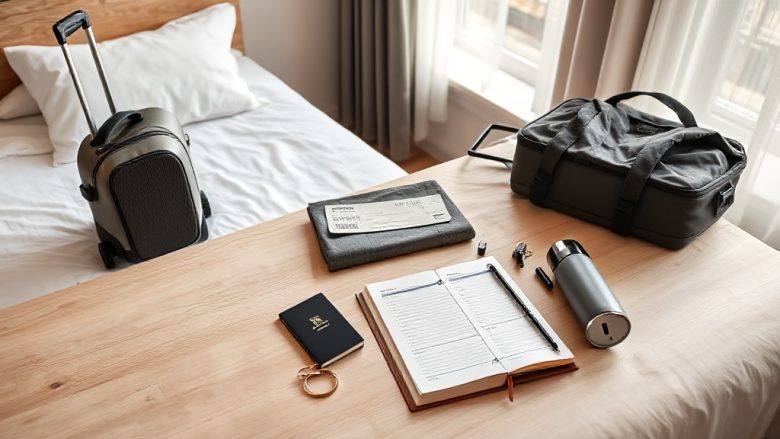
Two days. One small bag. A city you’ve never set foot in. If you’re planning your first weekend city break, the excitement usually comes with a low hum of panic: what if you forget something important and burn half your trip sorting it out? A lost booking, a dead phone, a train you didn’t realise needed reserving. Those small failures eat hours, and on a 48-hour trip, hours are the whole point. This weekend city breaks checklist for first timers is built for exactly that fear. Work through it in order, tick the boxes, and you’ll spend your weekend in the city rather than in a queue or a customer service queue.
Before You Book Anything
Most first-timer mistakes happen before a single penny leaves your account. Get this stage right and the rest of the trip almost organises itself.
Pick one neighbourhood, not one city. Cities are bigger than they look on a map. If you’re going for two days, choose an area to base yourself in, ideally within walking distance of the things you most want to see. Staying “somewhere central” is vague and often means twenty minutes on a metro every time you want a coffee. Look at where your top two or three sights actually sit, then find accommodation near the middle of them.
Check the dates against local events. A marathon, a public holiday or a major trade fair can triple room prices and close roads. It can also make a city brilliant fun if you’re into the event. Either way, know what you’re walking into before you book.
Book transport and accommodation together in your head. Arriving at 11pm on a Friday when your check-in closes at 9pm is a rookie trap. Match your arrival time to your accommodation’s reception hours, or confirm self check-in exists. If your train or flight lands late, plan the final leg to your bed before you commit.
Decide how you’ll pay. Tell your bank you’re travelling if it still expects that. Carry a small amount of local cash for the odd café or market stall, but assume cards work almost everywhere. Have a backup card stored separately from your main one, not in the same pocket.
Write down the essentials offline. Screenshot your booking confirmations, your accommodation address in the local language, and your transport times. Screenshots work without signal. Email confirmations don’t if you’re stuck underground.
The Week Before: Logistics Worth Locking Down
This is the quiet week where small preparations save entire afternoons later. None of it takes long.
Book the one thing that sells out. Every city has a sight, museum or restaurant where walk-ins fail. Pick your single must-do and reserve it now. Leave everything else loose. Over-scheduling is the fastest way to ruin a short break, but one guaranteed highlight anchors the whole trip.
Check opening days, not just opening hours. Many museums close on Mondays. Some close on Tuesdays. A few shut for lunch. If your only full day is a Monday, build it around things that are actually open, or you’ll spend the morning walking to locked doors.
Sort your data situation. Either buy a travel eSIM before you leave, confirm your home plan includes roaming, or accept that you’ll rely on downloaded offline maps. Decide now rather than fumbling with settings at the airport.
Plan your arrival route from the station or airport. Know the name of the stop nearest your accommodation and roughly how long the journey takes. You don’t need to memorise timetables. You do need to know whether you’re looking for a tram, a train or a twenty-minute walk.
Check the weather and pack to it. Not the forecast for your home city. The forecast for where you’re going. A weekend in a rainy city with only canvas shoes is a miserable weekend.
The Day Before: Packing and Paperwork
Pack once, then stop touching the bag. Repacking repeatedly is how people forget things.
One bag, carry-on sized. For two days you need less than you think. Two tops, one spare pair of trousers or a skirt, underwear, socks, a light layer, a rain shell if needed, toiletries in small bottles, chargers, and any medication. Wear your bulkiest shoes on the journey. That’s genuinely it.
Keep your documents in one place. Passport or ID, tickets, booking screenshots, insurance details if you have them. One pouch, always in the same pocket of your bag. Not spread across three compartments.
Charge everything to full. Phone, power bank, earbuds, camera. Bring the right cables and a plug adapter for the country you’re visiting. A power bank is the single most useful item on a city break, because maps and tickets drain a phone fast.
Pre-load your offline maps. Download the area you’re visiting so it works without signal. Drop a pin on your accommodation and on your booked highlight. This one step removes most arrival-day stress.
Set an alarm with buffer. Add at least thirty extra minutes to whatever you think you need for the journey to your departure point. First-timers consistently underestimate this.
Arrival Day: The First Three Hours Matter Most
How you handle arrival sets the tone for the whole weekend. Move deliberately, resist the urge to sightsee immediately, and you’ll be settled fast.
Get to your accommodation first. Drop the bag. Even if check-in isn’t ready, most places will hold your luggage. Carrying a backpack around a city for four hours kills your mood and your shoulders.
Do a five-minute orientation walk. Find your nearest metro or tram stop, a shop for water, and one café. Knowing these three things makes the neighbourhood feel manageable immediately.
Eat something proper. Arrival-day hunger leads to bad decisions and wasted time. Sit down for one real meal near your base rather than wandering aimlessly looking for the perfect place.
Confirm tomorrow’s plan. Check the opening hours of your booked highlight and the route there. If you have a reservation, screenshot the confirmation again so it’s at the top of your photos.
Keep the first evening light. A gentle walk, an early dinner, an early night. You’ll get far more out of a full Saturday if you’re not exhausted from Friday.
Common First-Timer Mistakes to Avoid
The same handful of errors trip up almost every first weekend city break. Knowing them in advance is most of the defence.
Over-packing is the classic. People bring options for weather that never arrives and then resent carrying the bag. If in doubt, leave it out.
Over-scheduling is the second. Filling every hour with a booked activity leaves no room for the best part of any city break: stumbling onto a market, a square or a bakery you didn’t plan for. Book one thing per day, maximum.
Ignoring travel time between sights is the third. Two attractions that look close on a map can be forty minutes apart in reality. Cluster your plans by area, not by wish list.
Not checking Monday closures catches a huge number of first-timers. So does arriving without any local currency for small purchases. And so does relying entirely on phone signal in a city with patchy coverage underground.
Finally, don’t treat the trip as a race. A weekend break isn’t a checklist of sights to conquer. It’s a short, deliberate taste of a place. Two or three memorable things done properly beat ten things rushed.
Here’s the reassuring part. You will forget something. Everyone does, and almost nothing on this list is truly unfixable. Shops sell toothbrushes. Stations sell tickets. Hotels print confirmations. The checklist exists to protect your time, not to demand perfection. Tick what you can, travel with a bit of slack in your plans, and your first weekend city break will feel like the start of a habit rather than a test you were nervous about passing.